Edible Plants Native to Florida
Florida's native landscape offers a surprising bounty of edible plants — many of which are also magnets for local pollinators. Below is a sampling of native trees, berry bushes, herbs, flowers, and even mushrooms that fit beautifully into a Florida food forest.
Trees
| Image | Plant | Light | Notes | How to Prepare |
|---|---|---|---|---|
 | Pawpaw | Partial shade | Custard-like fruit, larval host for zebra swallowtail butterflies | Eaten raw once soft and ripe, or scooped and blended into smoothies, custards, and ice cream |
 | Florida Mulberry | Full sun | Sweet summer berries, fast growing shade tree | Eaten fresh off the tree, or cooked into jams, pies, and syrups |
 | Sea Grape | Full sun | Coastal native, fruit used for jams and jellies | Ripe fruit eaten raw or simmered down into jam, jelly, or wine |
 | Wild Lime | Full sun to partial shade | Citrus relative, host plant for giant swallowtail | Fruit used like lime for juice, marinades, and seasoning |
Berry Bushes
| Image | Plant | Light | Notes | How to Prepare |
|---|---|---|---|---|
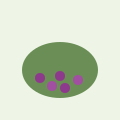 | Beautyberry | Partial shade | Vivid purple berries, loved by birds and people alike | Cooked into jelly or syrup; raw berries are edible but mild and somewhat bland |
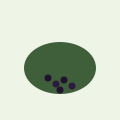 | Elderberry | Full sun to partial shade | Clusters of small berries, popular for syrups | Always cooked before eating; simmered into syrup, jam, or wine (raw berries are toxic) |
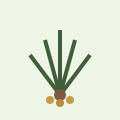 | Saw Palmetto | Full sun to shade | Edible berries, classic Florida understory shrub | Ripe berries dried or steeped into teas and tinctures; rarely eaten raw due to strong flavor |
 | Wild Coffee | Partial to full shade | Glossy native shrub, berries favored by wildlife | Seeds roasted and ground as a mild, caffeine-free coffee substitute |
Herbs
| Image | Plant | Light | Notes | How to Prepare |
|---|---|---|---|---|
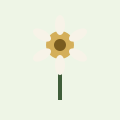 | Spanish Needle | Full sun | Edible leaves & flowers, one of Florida's best pollinator plants | Young leaves and flowers eaten raw in salads or steeped as tea |
 | Wild Mint | Partial sun | Aromatic native, great for tea | Fresh or dried leaves steeped into tea, or chopped fresh into dishes and drinks |
 | Pennyroyal | Full sun to partial shade | Fragrant native herb, traditionally used in teas | Leaves steeped sparingly as tea; use in moderation, as concentrated oil is toxic |
Flowers
| Image | Plant | Light | Notes | How to Prepare |
|---|---|---|---|---|
 | Florida Betony | Partial sun | Edible tuberous roots, sometimes called "rattlesnake weed" | Tubers washed and eaten raw or boiled/sauteed like a small potato |
 | Firebush | Full sun | Edible flowers, hummingbird and butterfly favorite | Flowers eaten raw as a garnish or steeped into a mildly sweet tea |
 | Hibiscus (native species) | Full sun | Edible flowers & calyces, used in teas | Petals and calyces dried and steeped into tart hibiscus tea, or cooked into syrups and jams |
Mushrooms
| Image | Mushroom | Habitat | Notes | How to Prepare |
|---|---|---|---|---|
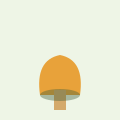 | Chanterelle | Oak & pine woodlands | Choice edible, appears in Florida's wetter months | Always cooked — sauteed in butter, used in sauces, soups, or pasta dishes |
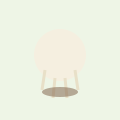 | Lion's Mane | Hardwood trees | Distinctive shaggy white fungus, prized for cooking | Sliced and sauteed or roasted; texture is often compared to crab or lobster |
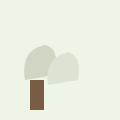 | Oyster Mushroom | Decaying hardwoods | Common and easy to identify, great beginner foraging mushroom | Cooked by sauteing, grilling, or adding to stir-fries and soups |
As always, cook wild mushrooms fully and confirm identification with an experienced forager or mycologist before eating.
Always positively identify any wild mushroom with an experienced forager or mycologist before eating — many edible species have toxic look-alikes.